Description
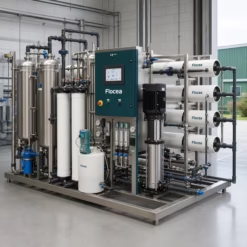
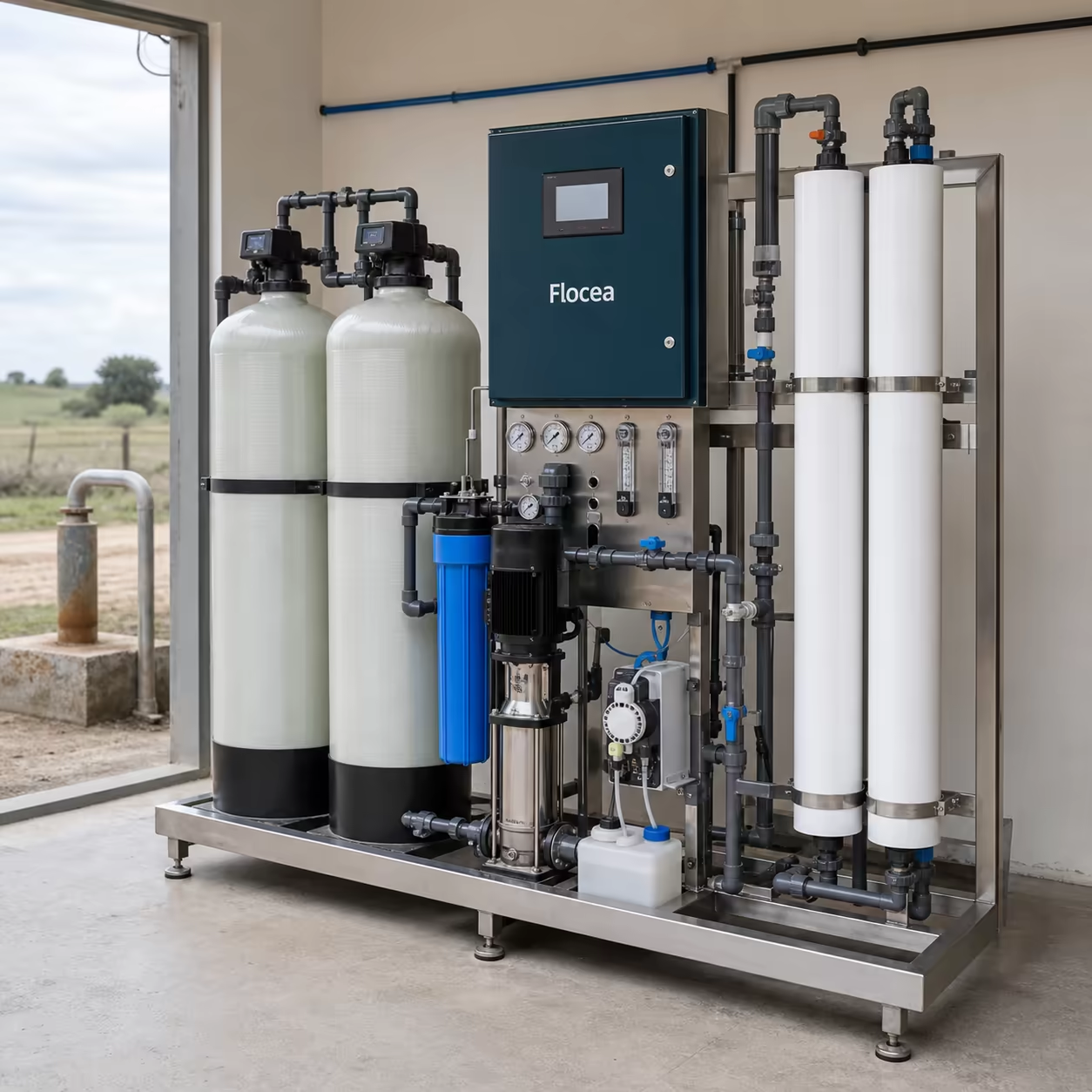
A 500 litre-per-hour brackish water RO unit for reducing the dissolved salts in a borehole, a mineralised aquifer or a process water. A BWRO train runs at a different pressure from seawater desalination and is sized first and foremost from a full water analysis.
What projects is it for?
- Borehole or well with saline water
- Smallholding or small farm
- Process water and technical supply
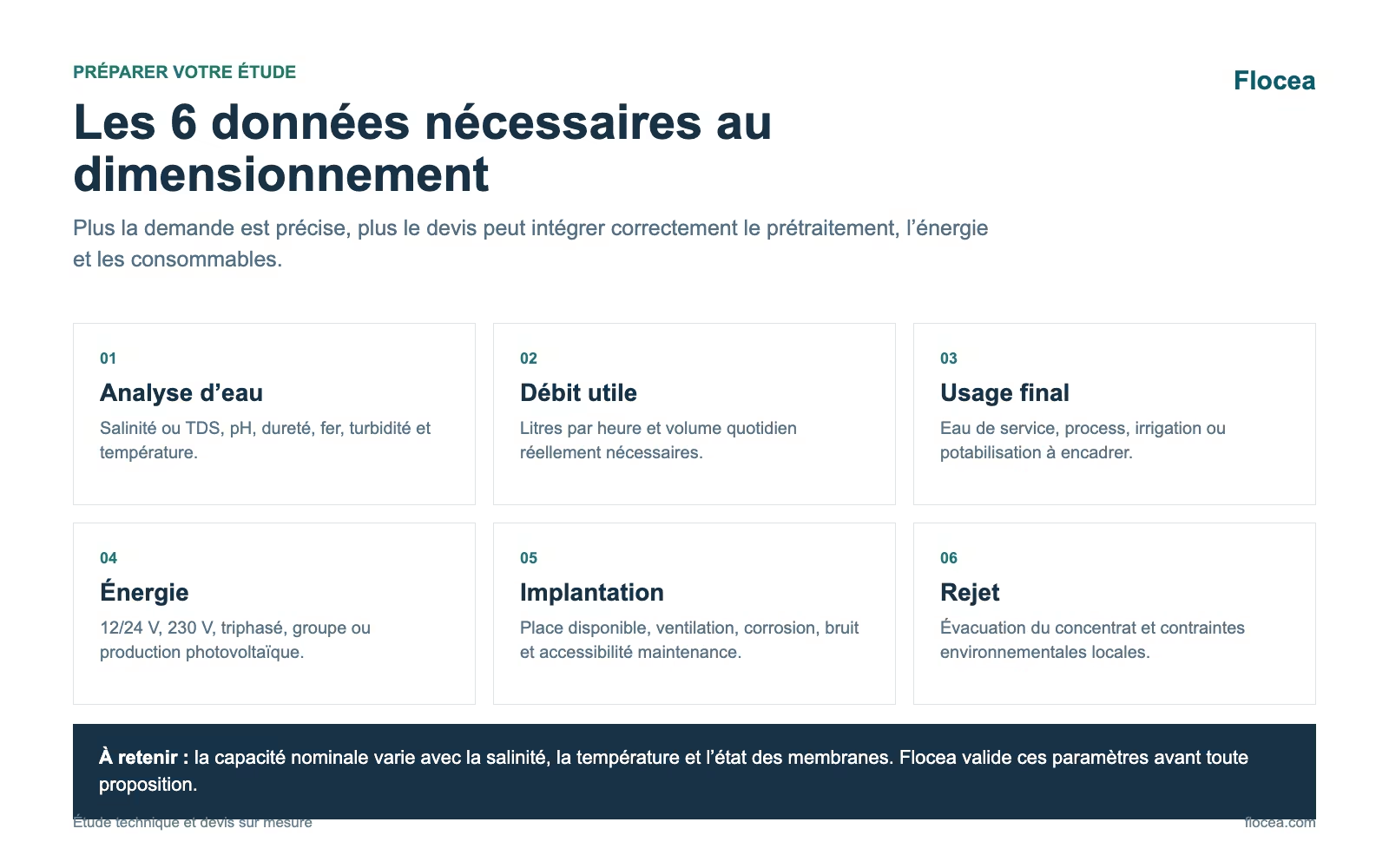
This capacity suits small professional and agricultural installations where a moderate continuous flow is wanted. Iron, manganese, hardness, silica, turbidity and salinity all bear directly on the pre-treatment and the recovery rate.

A complete study, not just a membrane
Specification of the proposed configuration
| Nominal output | 500 litres per hour, under the design conditions |
|---|---|
| Raw water | Brackish water or mineralised borehole; analysis mandatory |
| Technology | BWRO, reverse osmosis for brackish water |
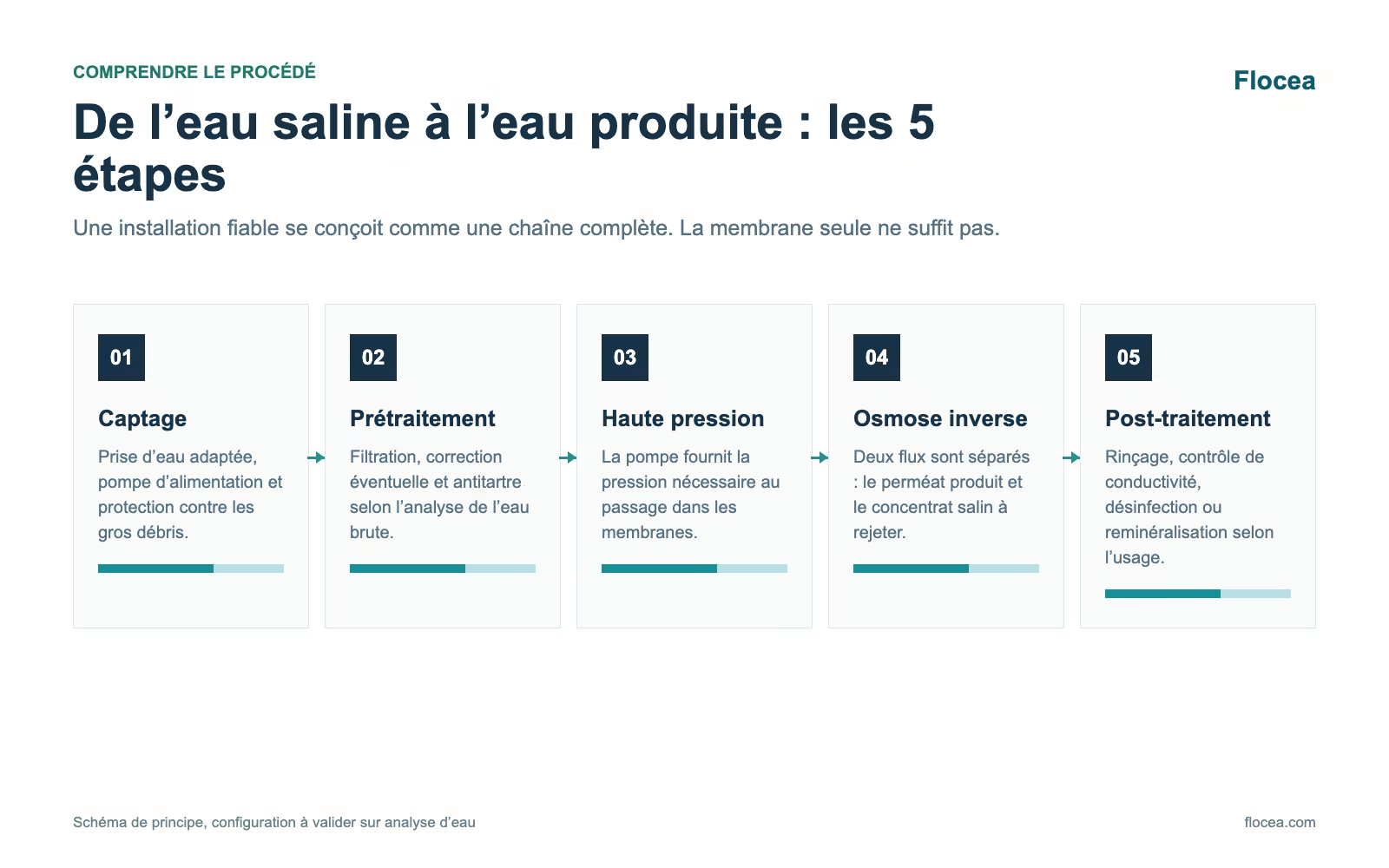
| Pre-treatment | Filtration, iron removal, softening or dosing according to the analysis |
| Recovery | To be calculated from TDS, hardness, silica and scaling risk |
| Power supply | 230 or 400 V depending on the pump and control system chosen |
| Monitoring | Flow, pressure and permeate conductivity |
| Post-treatment | To be defined according to how the product water is used |
Important: these figures set the framework for the study. The final bill of materials, power draw, recovery rate, permeate quality and dimensions are confirmed at quotation, once the raw water and the site have been validated.

Operation and consumables
Pre-treatment has to prevent mineral and particulate fouling. Regular analysis of the raw water is worthwhile where the borehole varies with the season, the pumping regime or saline intrusion.
- pre-filter cartridges, replaced according to turbidity and running hours;
- antiscalant or conditioning chemicals where the analysis justifies them;
- membrane cleaning and preservation chemicals for extended shutdowns;
- reverse osmosis membranes, whose life depends on pre-treatment and how the unit is run;
- seals, sensors and pump wear parts, per the maintenance schedule.
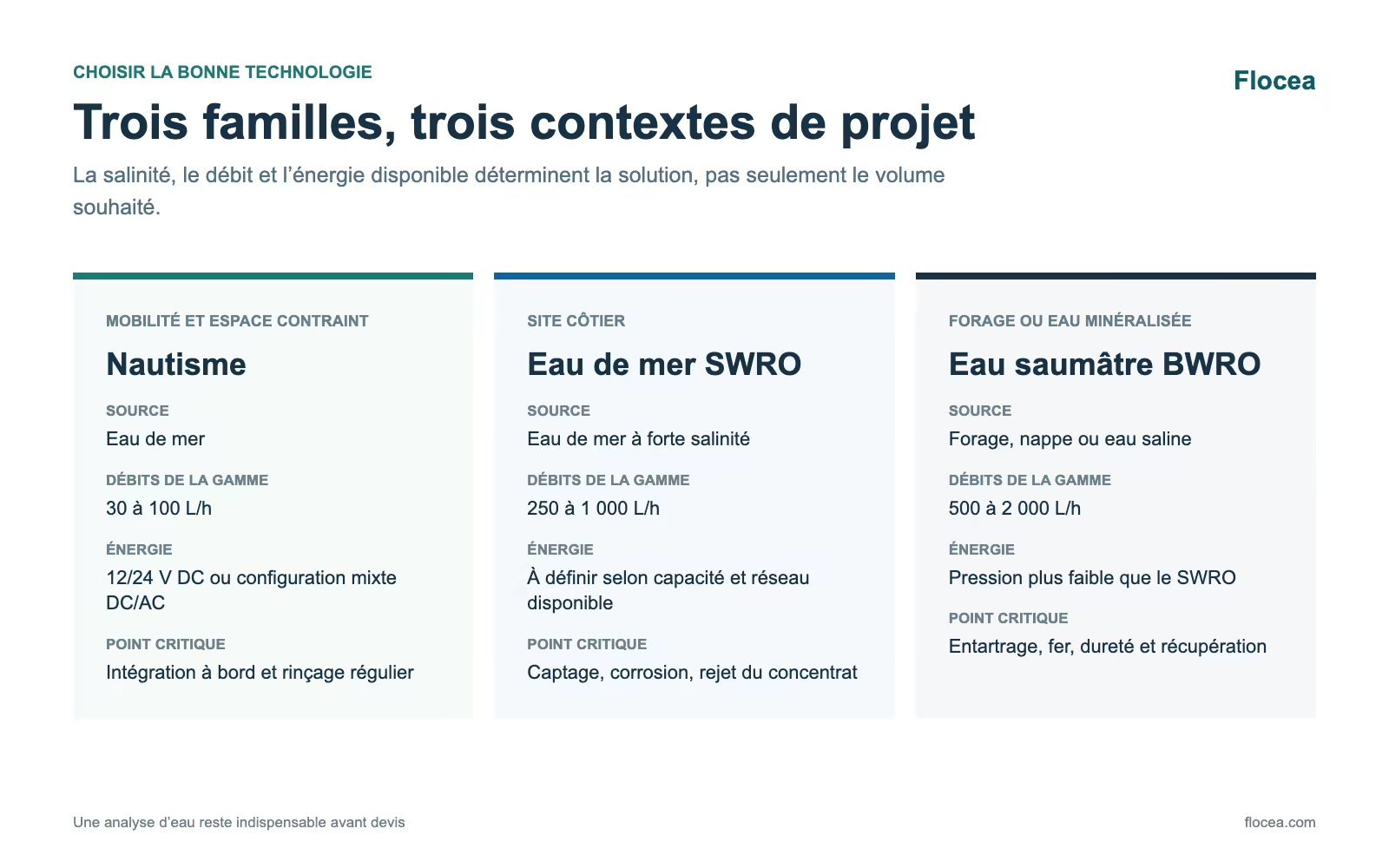
Compare the Flocea range
| Solution | Nominal flow | Raw water | Typical project |
|---|---|---|---|
| Marine 30 | 30 L/h | Seawater | Sailing boat and small craft, building autonomy |
| Marine 100 | 100 L/h | Seawater | Large yacht with a full crew |
| SWRO 250 | 250 L/h | Seawater | Coastal villa, guest accommodation, small camp |
| SWRO 1000 | 1,000 L/h | Seawater | Hotel, farm, construction site, small authority |
| BWRO 500 | 500 L/h | Brackish water | Saline borehole, smallholding, process water |
| BWRO 2000 | 2,000 L/h | Brackish water | Agriculture, industry, community site |

Frequently asked questions
What is the difference between brackish water and seawater?
Brackish water contains fewer salts than seawater. It usually needs a lower pressure, but its hardness, iron or silica may call for specific pre-treatment.
Does the borehole need analysing before quotation?
Yes. Without an analysis there is no way to size the pre-treatment, recovery, pressure and scaling risk properly.
Can the product water be used for irrigation?
It can be, depending on the crop, the soil, the residual ions and local rules. The target quality has to be set before sizing.