Description
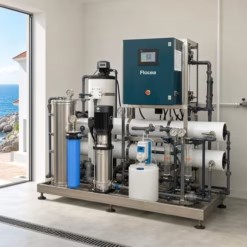
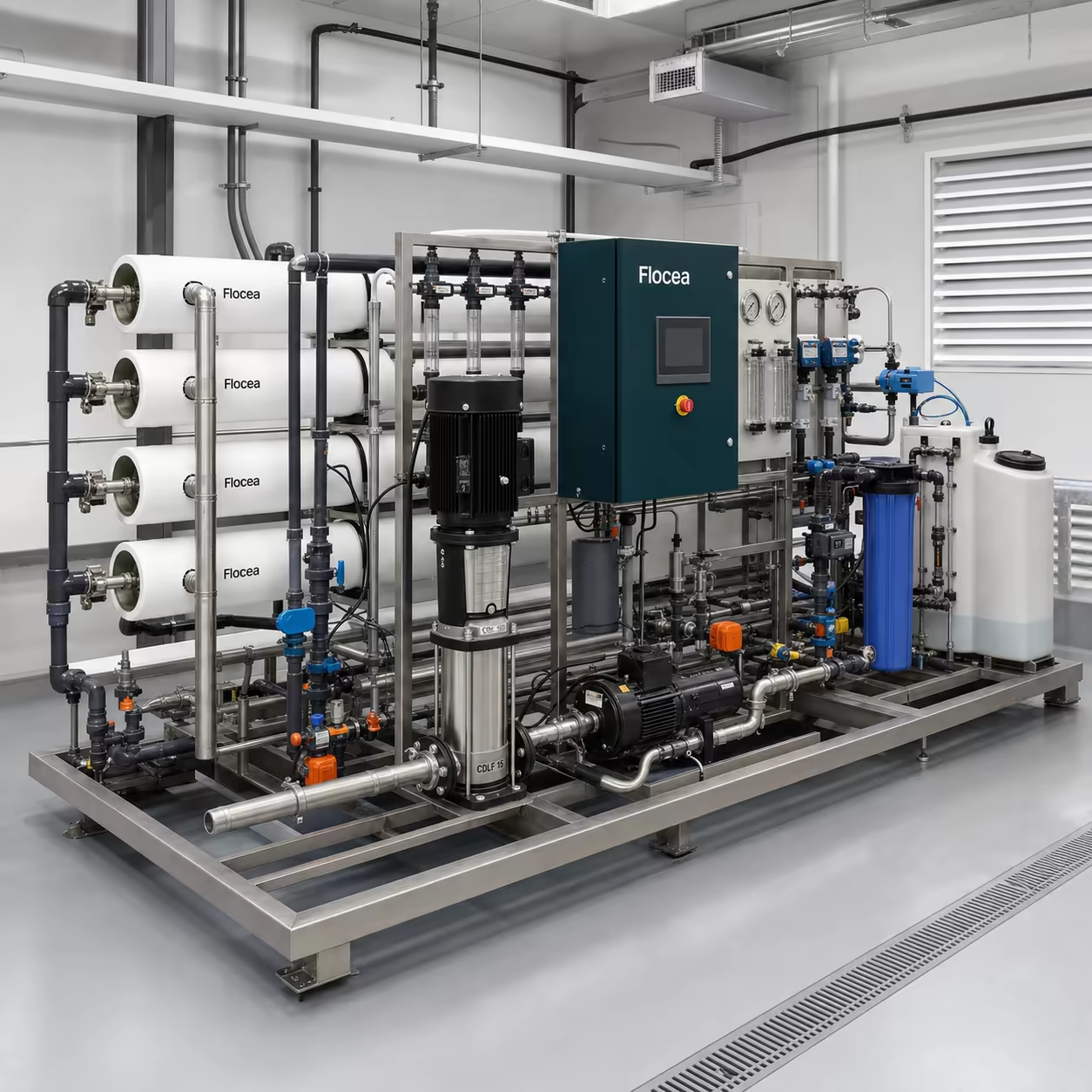
A 1,000 litre-per-hour SWRO desalination plant for coastal sites with a substantial daily requirement: hotels, work camps, farms, construction sites or small infrastructure. The solution is designed at quotation from the raw water and the consumption profile.
What projects is it for?
- Hotel and residential development on the coast
- Construction site or remote work camp
- Farm and small community infrastructure
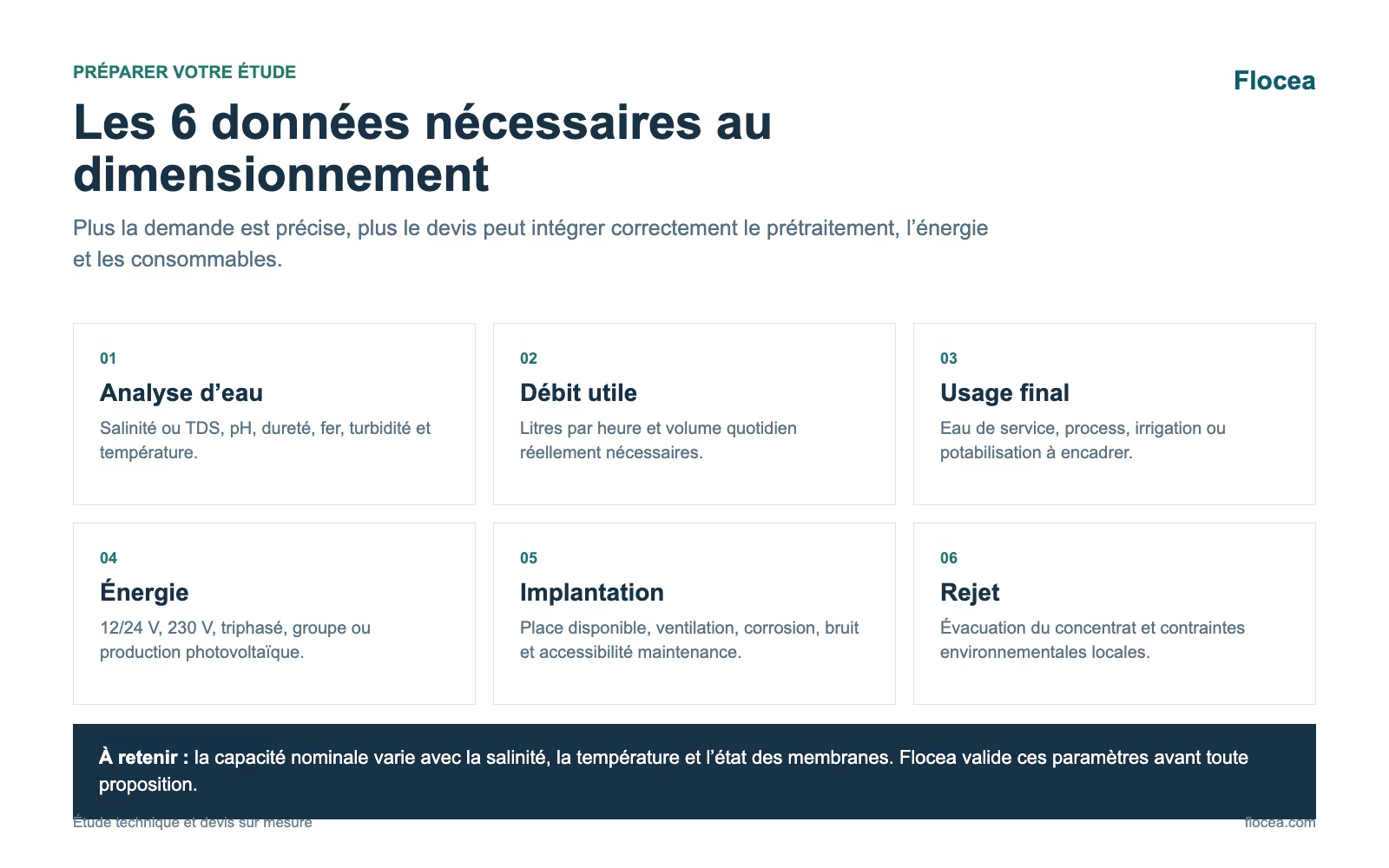
This capacity represents up to 24 m³ a day in continuous nominal operation. Sizing cannot stop at the flow rate, though: redundancy, buffer storage, pre-treatment, clean-in-place, brine discharge and continuity of service shape the project.

A complete study, not just a membrane
Specification of the proposed configuration
| Nominal output | 1,000 litres per hour, i.e. up to 24 m³/day over 24 hours |
|---|---|
| Raw water | Seawater; analysis and seasonal variability to be documented |
| Technology | High-pressure SWRO on a skid |
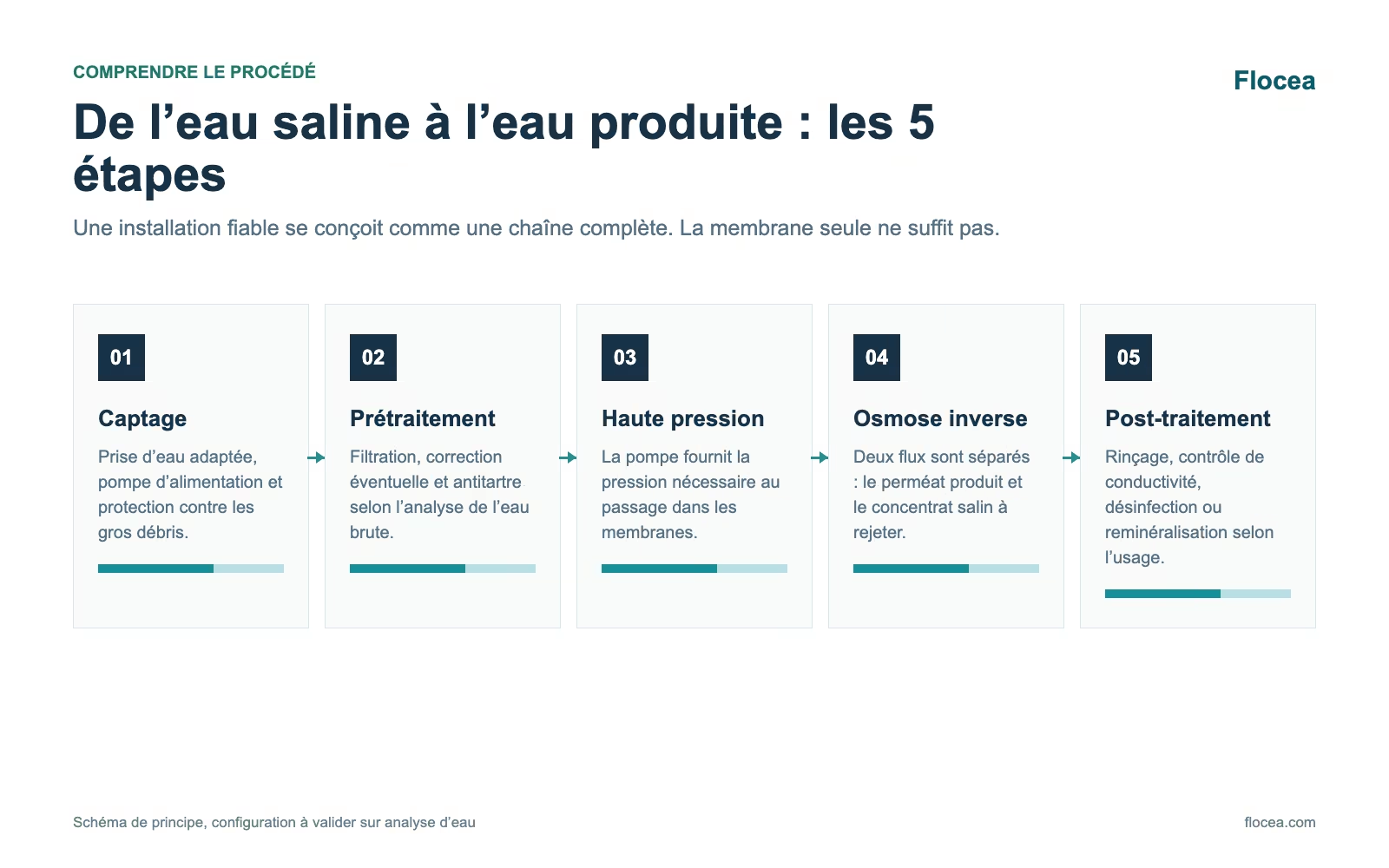
| Pre-treatment | Multimedia, cartridge, dosing or ultrafiltration depending on the intake |
| Control system | Control, safety functions, flushing and conductivity monitoring according to the project |
| Cleaning | CIP loop to be provided according to criticality and required availability |
| Energy | Power and voltage confirmed once the hydraulic selection is made |
| Options | Containerisation, storage, UV, remineralisation and remote monitoring |
Important: these figures set the framework for the study. The final bill of materials, power draw, recovery rate, permeate quality and dimensions are confirmed at quotation, once the raw water and the site have been validated.

Operation and consumables
For a professional installation, Flocea recommends an operating plan: simple daily checks, condition-based cartridge replacement, conductivity monitoring, CIP cleaning and a minimum stock of critical consumables.
- pre-filter cartridges, replaced according to turbidity and running hours;
- antiscalant or conditioning chemicals where the analysis justifies them;
- membrane cleaning and preservation chemicals for extended shutdowns;
- reverse osmosis membranes, whose life depends on pre-treatment and how the unit is run;
- seals, sensors and pump wear parts, per the maintenance schedule.
Compare the Flocea range
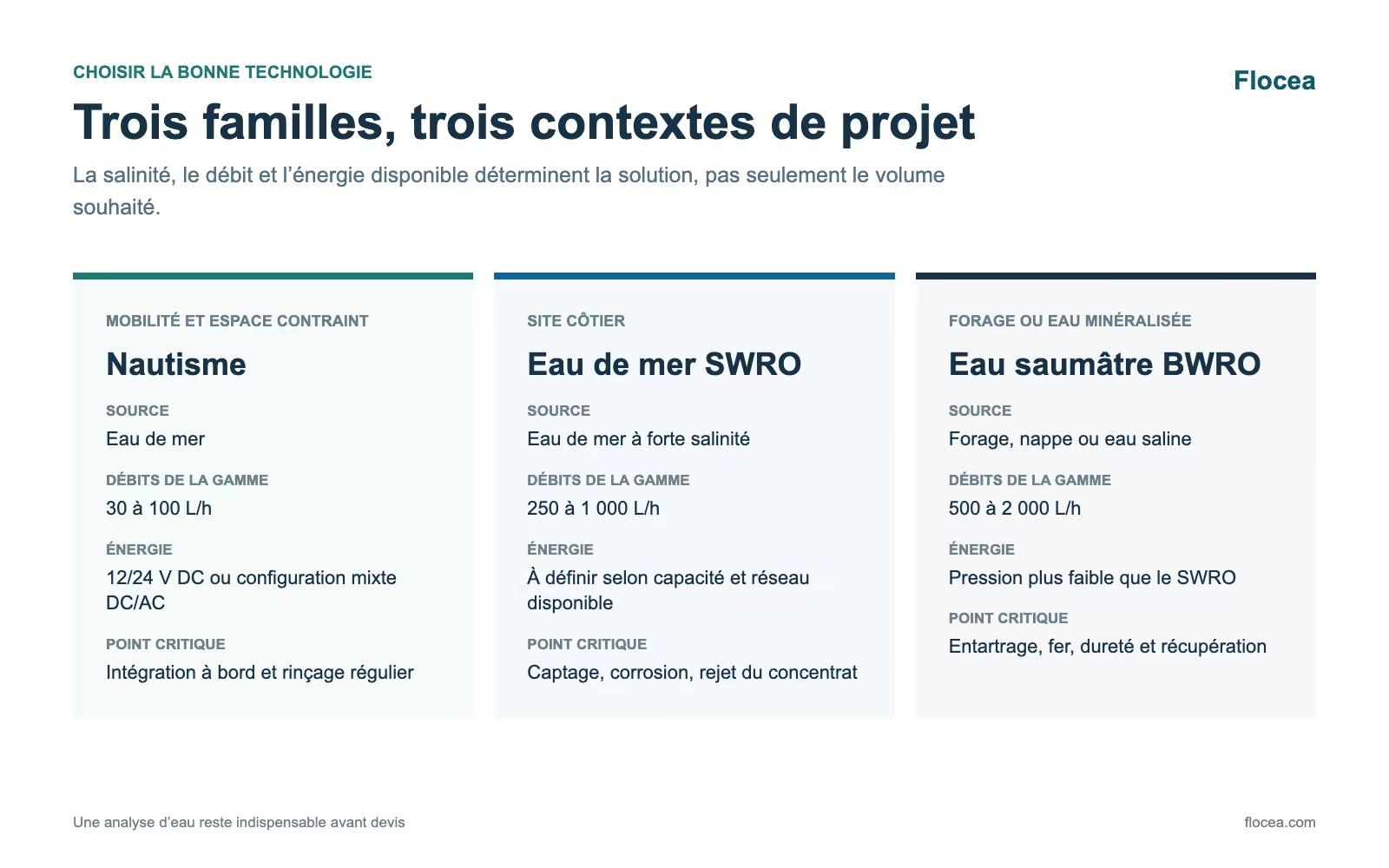
| Solution | Nominal flow | Raw water | Typical project |
|---|---|---|---|
| Marine 30 | 30 L/h | Seawater | Sailing boat and small craft, building autonomy |
| Marine 100 | 100 L/h | Seawater | Large yacht with a full crew |
| SWRO 250 | 250 L/h | Seawater | Coastal villa, guest accommodation, small camp |
| SWRO 1000 | 1,000 L/h | Seawater | Hotel, farm, construction site, small authority |
| BWRO 500 | 500 L/h | Brackish water | Saline borehole, smallholding, process water |
| BWRO 2000 | 2,000 L/h | Brackish water | Agriculture, industry, community site |

Frequently asked questions
Can a 1,000 L/h plant run continuously?
It can be designed for long operating windows, but the strategy depends on storage, maintenance, the intake and the level of redundancy expected.
Is a containerised installation necessary?
Not always. A suitable plant room can be enough. A container makes sense when the set has to be protected, pre-assembled and shipped to a remote site.
What happens to the salt concentrate?
It has to be discharged according to the site, the flow rate and local rules. That environmental constraint is part of the study that precedes the quotation.