Description
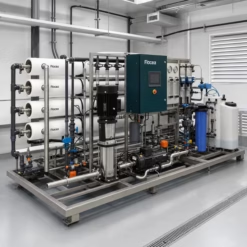
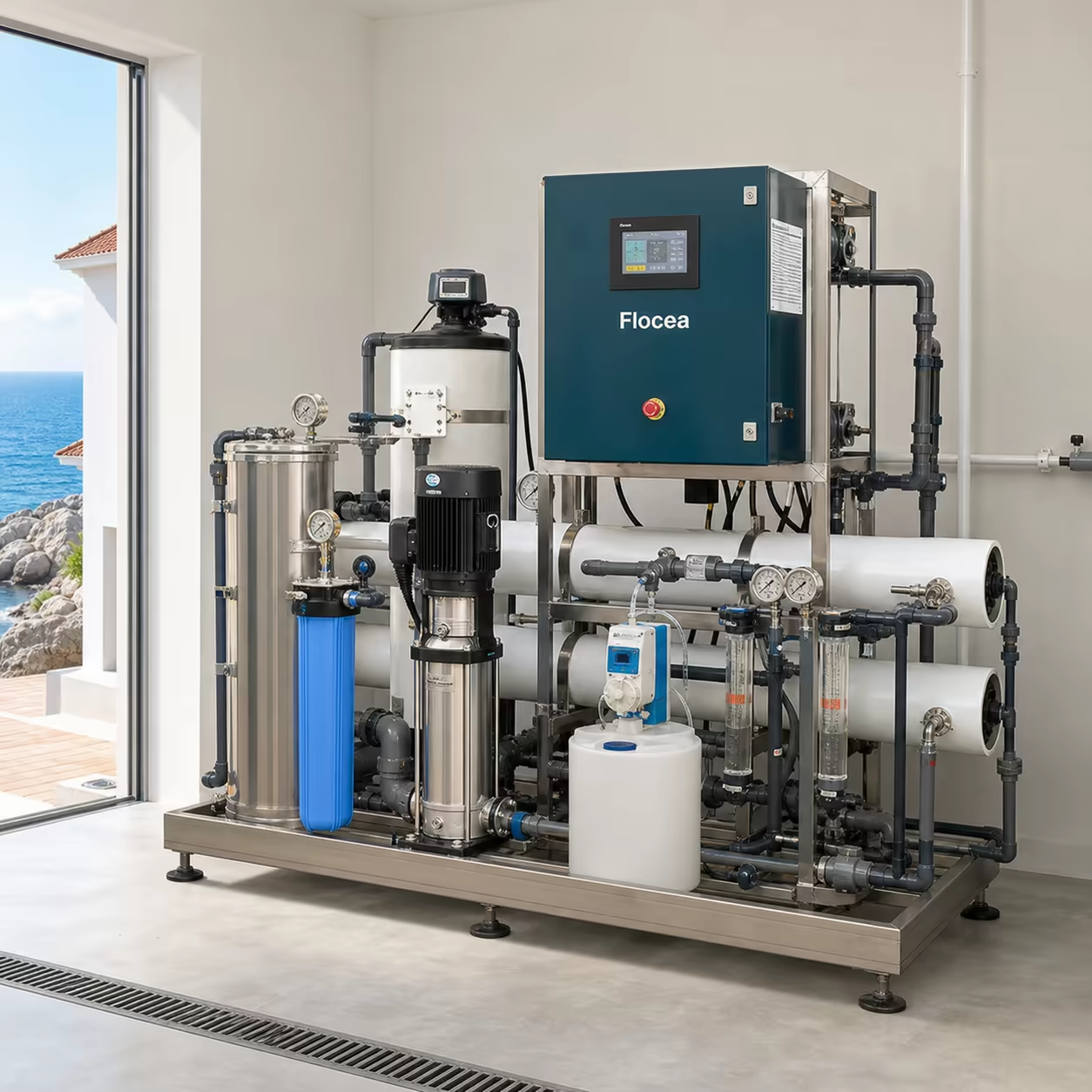
A compact reverse osmosis desalination unit producing up to 250 litres of fresh water an hour from seawater. It is aimed at small coastal sites, guest accommodation, remote camps and technical requirements that call for an engineered solution rather than a domestic appliance.
What projects is it for?
- House or villa on the coast
- Guest house, restaurant or small hotel
- Work camp and remote site
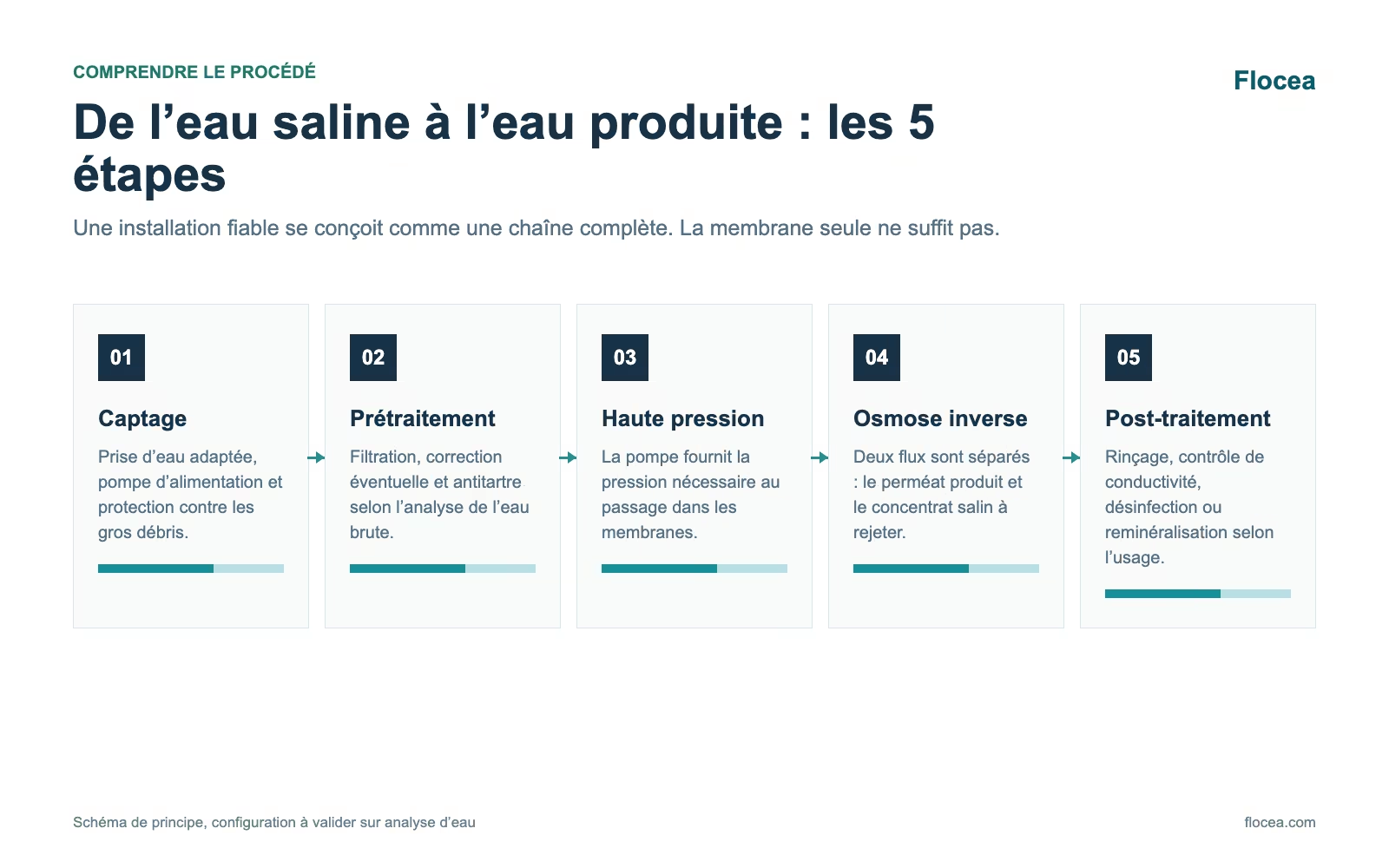
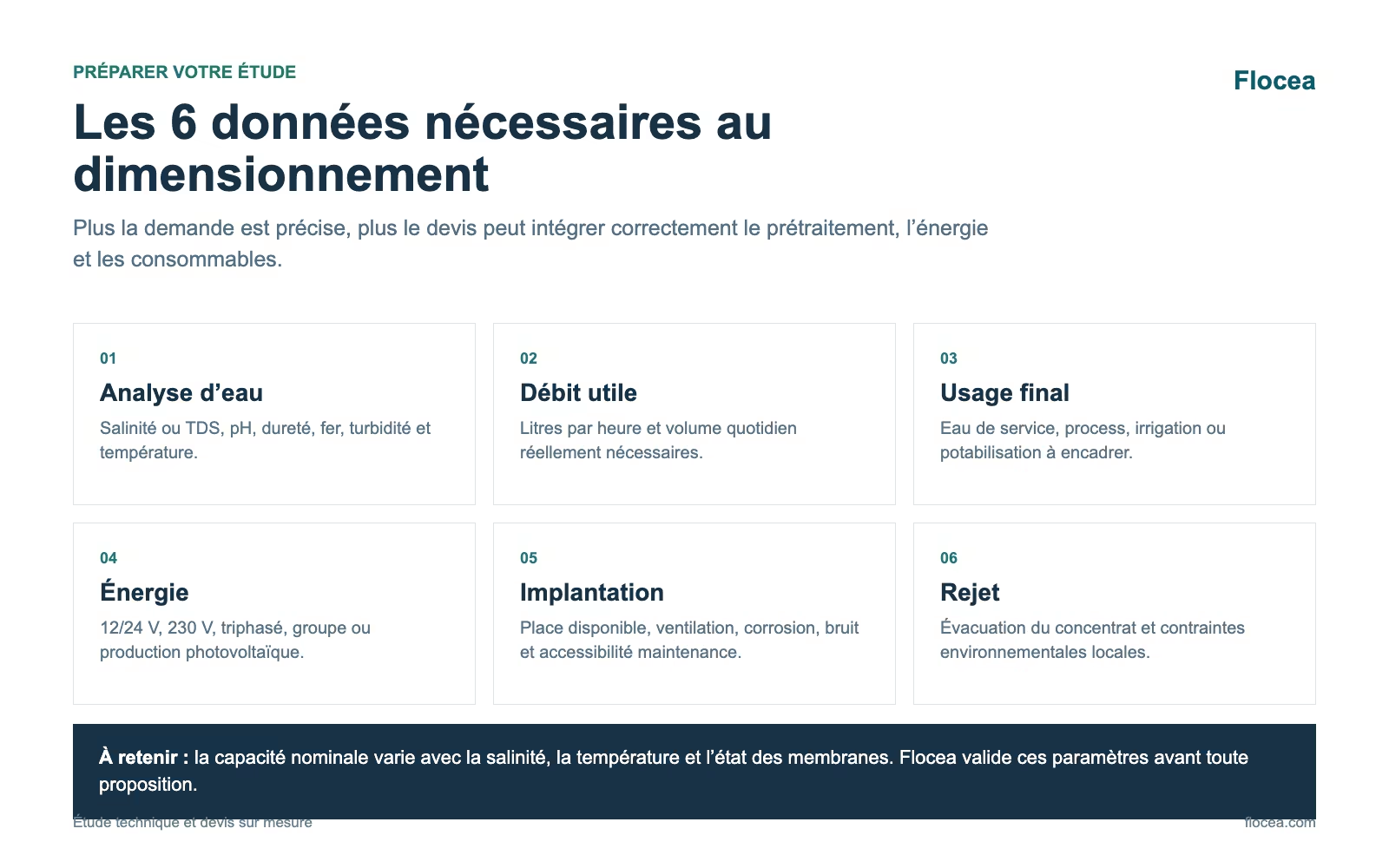
At 250 L/h, the project has to cover the seawater intake, protection against suspended solids, corrosion, pre-treatment, storage of the water produced and concentrate discharge. Flocea brings these elements together into a coherent proposal.

A complete study, not just a membrane
Specification of the proposed configuration
| Nominal output | 250 litres per hour, i.e. up to 6 m³/day over 24 hours |
|---|---|
| Raw water | Seawater; salinity and temperature to be measured |
| Technology | SWRO, high-pressure reverse osmosis |
| Pre-treatment | To be defined according to the intake, turbidity, algae and organic matter |
| Recovery | To be calculated from salinity, temperature and configuration |
| Power supply | To be sized from the high-pressure pump and ancillary equipment |
| Post-treatment | Depending on use: disinfection, pH correction or remineralisation |
| Installation location | Indoor technical skid or protection suited to a coastal environment |
Important: these figures set the framework for the study. The final bill of materials, power draw, recovery rate, permeate quality and dimensions are confirmed at quotation, once the raw water and the site have been validated.

Operation and consumables
Monitoring covers filter pressure drop, permeate conductivity, operating pressure and how the flow evolves. Chemical cleaning of the membranes is triggered by performance, not by an arbitrary schedule.
- pre-filter cartridges, replaced according to turbidity and running hours;
- antiscalant or conditioning chemicals where the analysis justifies them;
- membrane cleaning and preservation chemicals for extended shutdowns;
- reverse osmosis membranes, whose life depends on pre-treatment and how the unit is run;
- seals, sensors and pump wear parts, per the maintenance schedule.
Compare the Flocea range
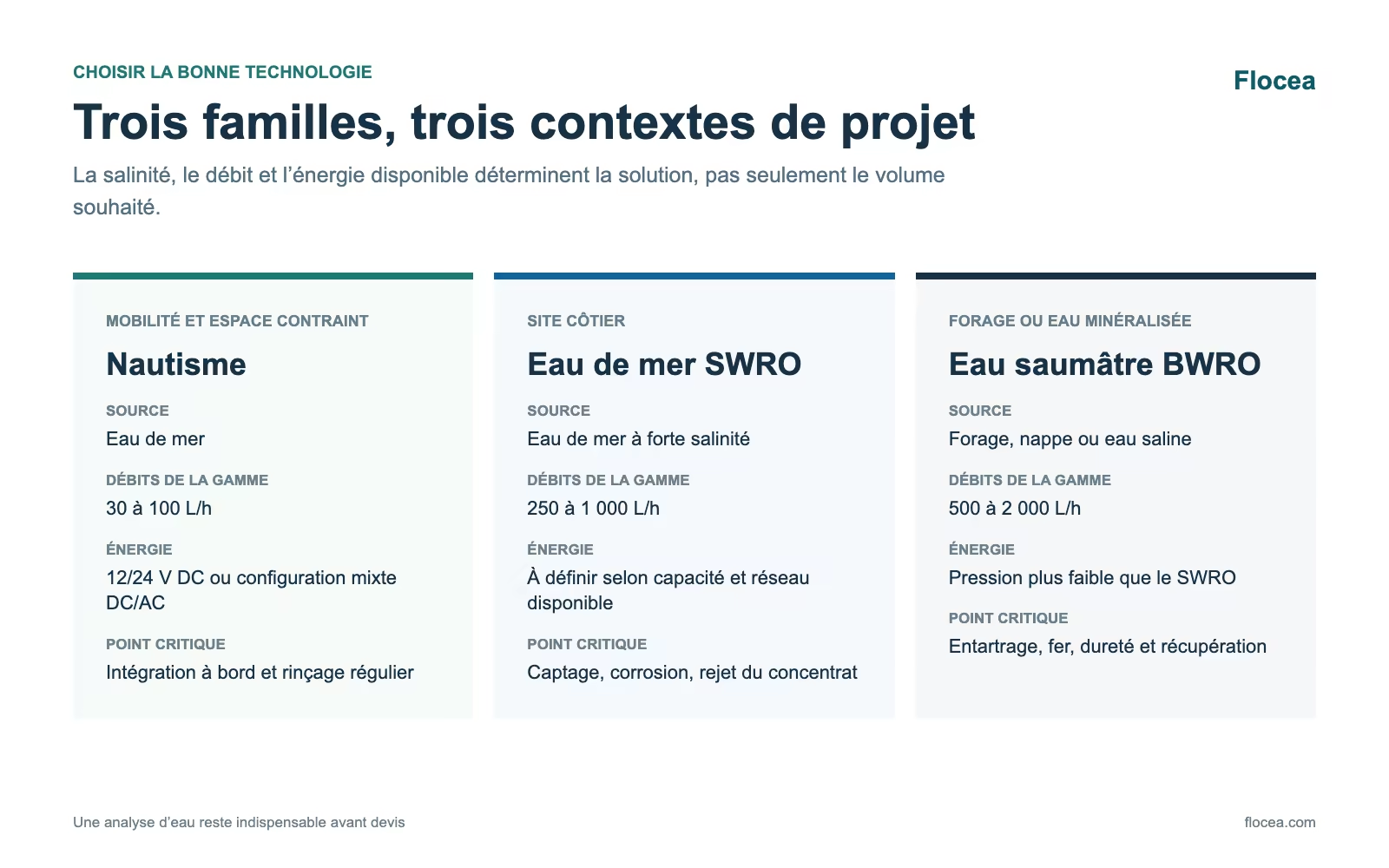
| Solution | Nominal flow | Raw water | Typical project |
|---|---|---|---|
| Marine 30 | 30 L/h | Seawater | Sailing boat and small craft, building autonomy |
| Marine 100 | 100 L/h | Seawater | Large yacht with a full crew |
| SWRO 250 | 250 L/h | Seawater | Coastal villa, guest accommodation, small camp |
| SWRO 1000 | 1,000 L/h | Seawater | Hotel, farm, construction site, small authority |
| BWRO 500 | 500 L/h | Brackish water | Saline borehole, smallholding, process water |
| BWRO 2000 | 2,000 L/h | Brackish water | Agriculture, industry, community site |

Frequently asked questions
How much water does a 250 L/h unit make in a day?
At nominal flow, 250 L/h works out at 6 m³ over 24 hours. Actual output depends on running time, salinity, temperature and flushing cycles.
Is the water produced immediately drinkable?
Reverse osmosis removes most of the salts, but making the water fit to drink also depends on the intake, hygiene, storage, disinfection and local requirements.
Can the unit be powered by solar?
In some projects yes, but the power, the electrical storage and the operating windows all have to be sized. Solar is not included as standard.