Description
A higher-output marine watermaker for yachts, large sailing boats and crews who want to make their daily volume quickly. The 100 L/h nominal capacity cuts running time, provided the power supply and the installation space allow it.
What projects is it for?
- Large sailing yacht and offshore passages
- Yacht and motor boat
- Large crew or high consumption
This solution targets boats with a high daily requirement or short production windows. Flocea works out a DC, 230 V or mixed architecture depending on the alternator, inverter, generator and how the boat is used.

A complete study, not just a membrane
Specification of the proposed configuration
| Nominal output | 100 litres per hour |
|---|---|
| Technology | Seawater reverse osmosis, marine configuration |
| Power supply | 12/24 V DC or 230 V, depending on the study |
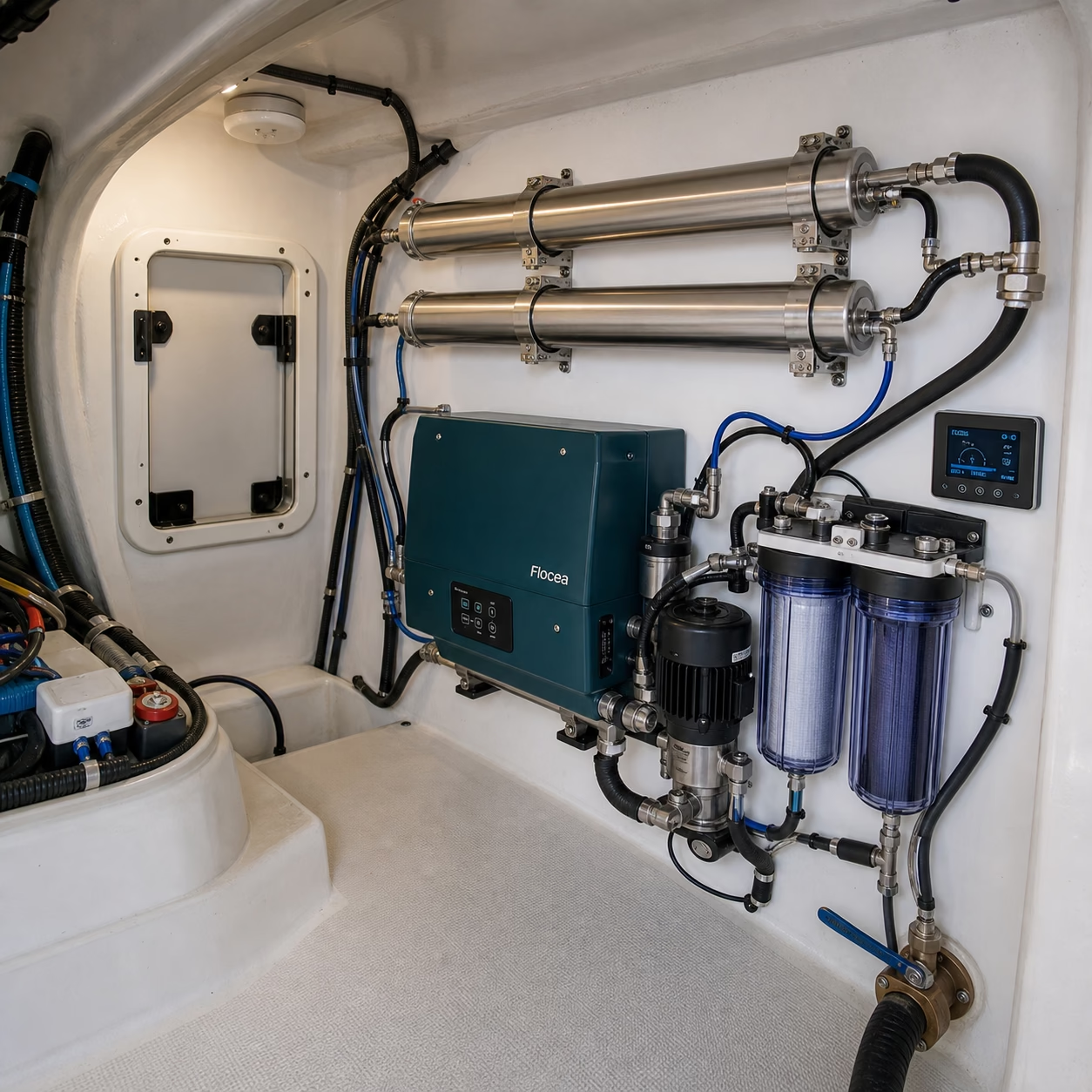
| Architecture | Modular, with the control unit and membranes able to be separated |
| Pre-filtration | Intake protection and 5 micron filtration to be sized |
| Instrumentation | Pressure, flow and conductivity according to the configuration |
| Flushing | Fresh-water flush recommended after each use |
| Scope of supply | Quoted to order, with an accessory list and installation constraints |
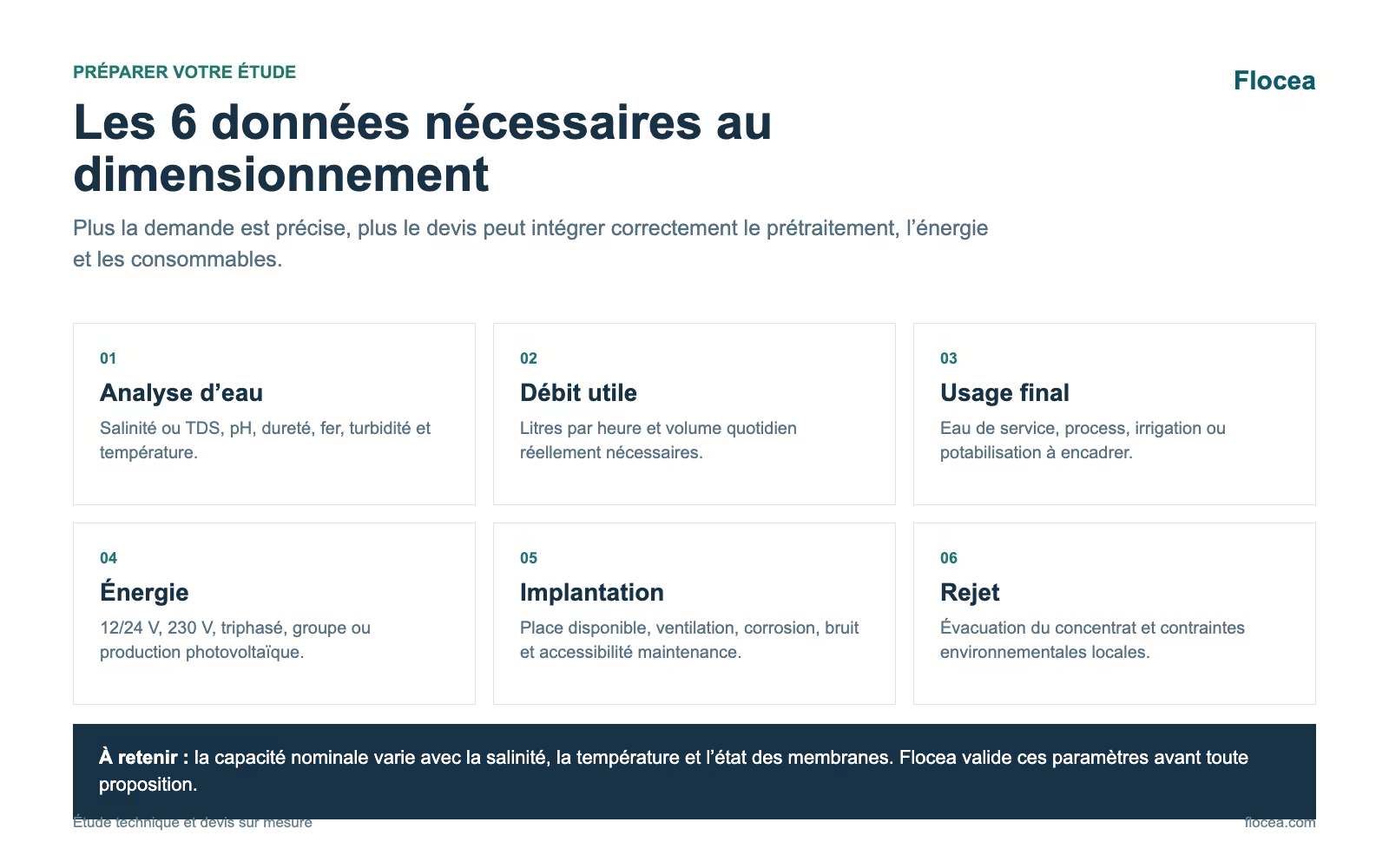
Important: these figures set the framework for the study. The final bill of materials, power draw, recovery rate, permeate quality and dimensions are confirmed at quotation, once the raw water and the site have been validated.

Operation and consumables
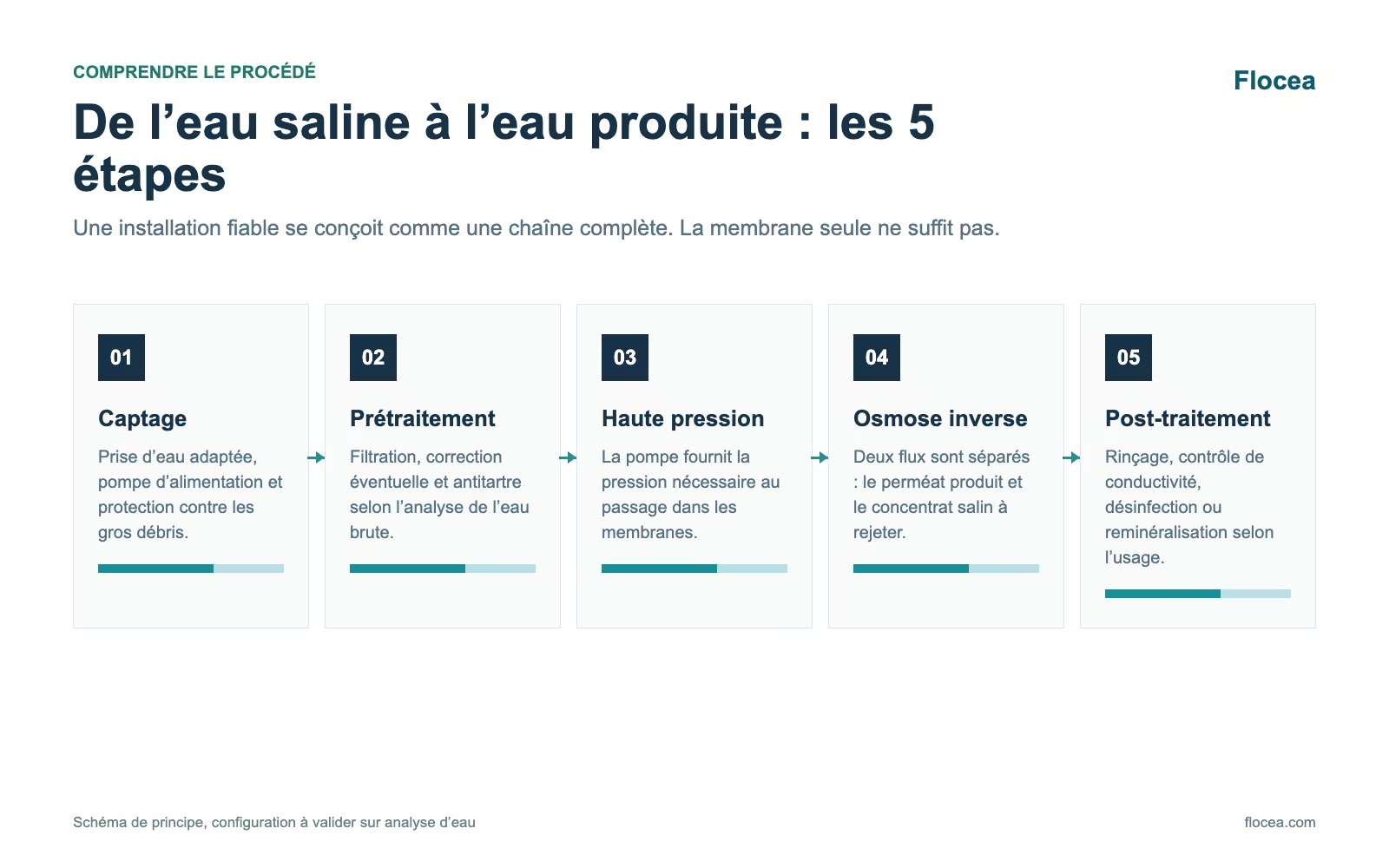
A higher output does not remove the need for disciplined maintenance. Pre-filtration, automatic or manual flushing, conductivity monitoring and membrane preservation over the winter lay-up all belong in the design from the outset.
- pre-filter cartridges, replaced according to turbidity and running hours;
- antiscalant or conditioning chemicals where the analysis justifies them;
- membrane cleaning and preservation chemicals for extended shutdowns;
- reverse osmosis membranes, whose life depends on pre-treatment and how the unit is run;
- seals, sensors and pump wear parts, per the maintenance schedule.
Compare the Flocea range
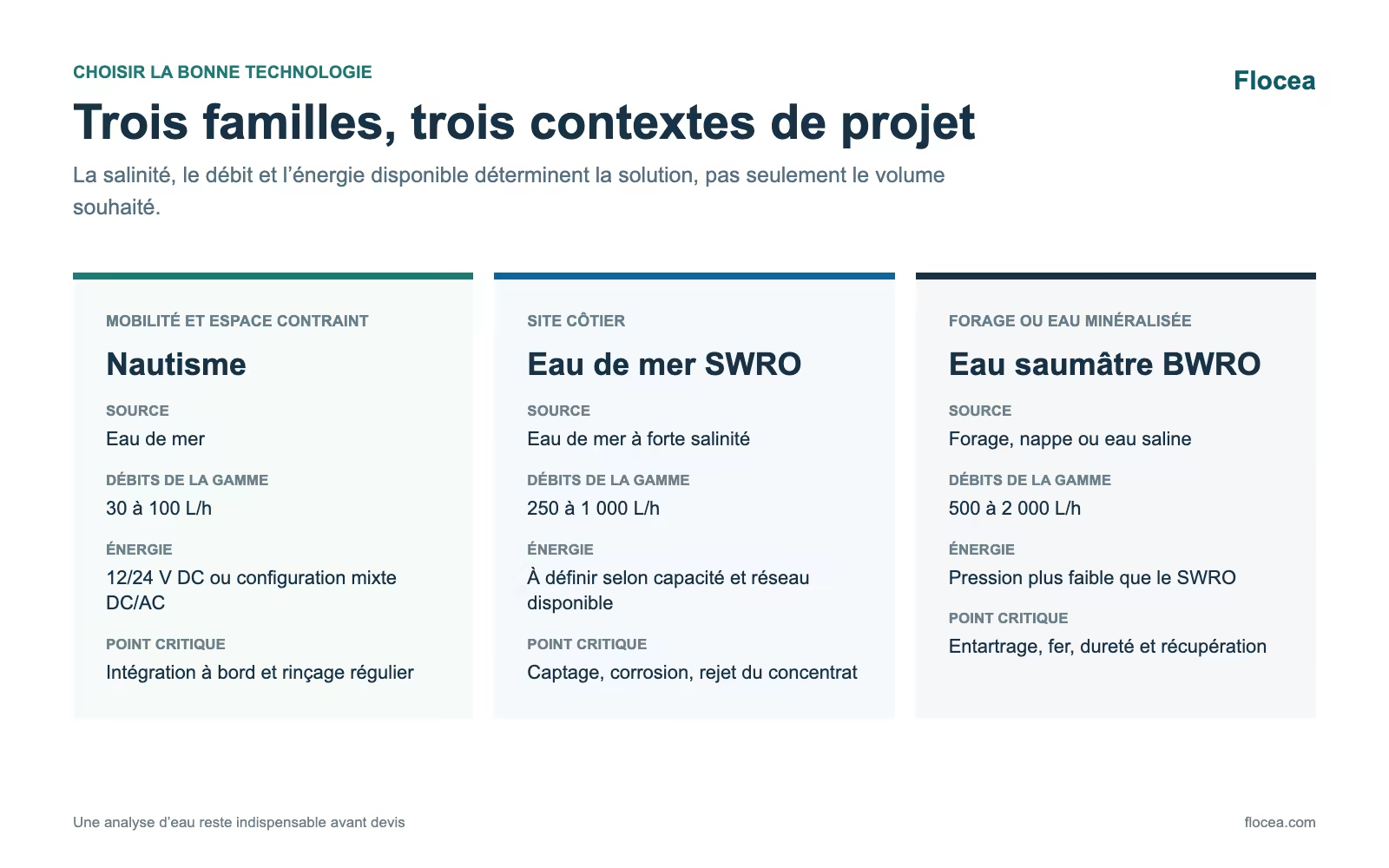
| Solution | Nominal flow | Raw water | Typical project |
|---|---|---|---|
| Marine 30 | 30 L/h | Seawater | Sailing boat and small craft, building autonomy |
| Marine 100 | 100 L/h | Seawater | Large yacht with a full crew |
| SWRO 250 | 250 L/h | Seawater | Coastal villa, guest accommodation, small camp |
| SWRO 1000 | 1,000 L/h | Seawater | Hotel, farm, construction site, small authority |
| BWRO 500 | 500 L/h | Brackish water | Saline borehole, smallholding, process water |
| BWRO 2000 | 2,000 L/h | Brackish water | Agriculture, industry, community site |

Frequently asked questions
Why choose 100 L/h rather than 30 L/h?
The main benefit is making the daily volume in less time. It suits larger crews better, but it calls for more power and more space.
Is 24 V or 230 V the better choice?
The choice depends on the battery bank, the alternator, the generator, the inverter and the running time. An electrical study avoids losses and undersized cabling.
Is the watermaker delivered ready to fit?
The supply can be prepared as a kit, but the intake, the brine discharge, the hoses, the protection devices and the installation location remain specific to each boat.